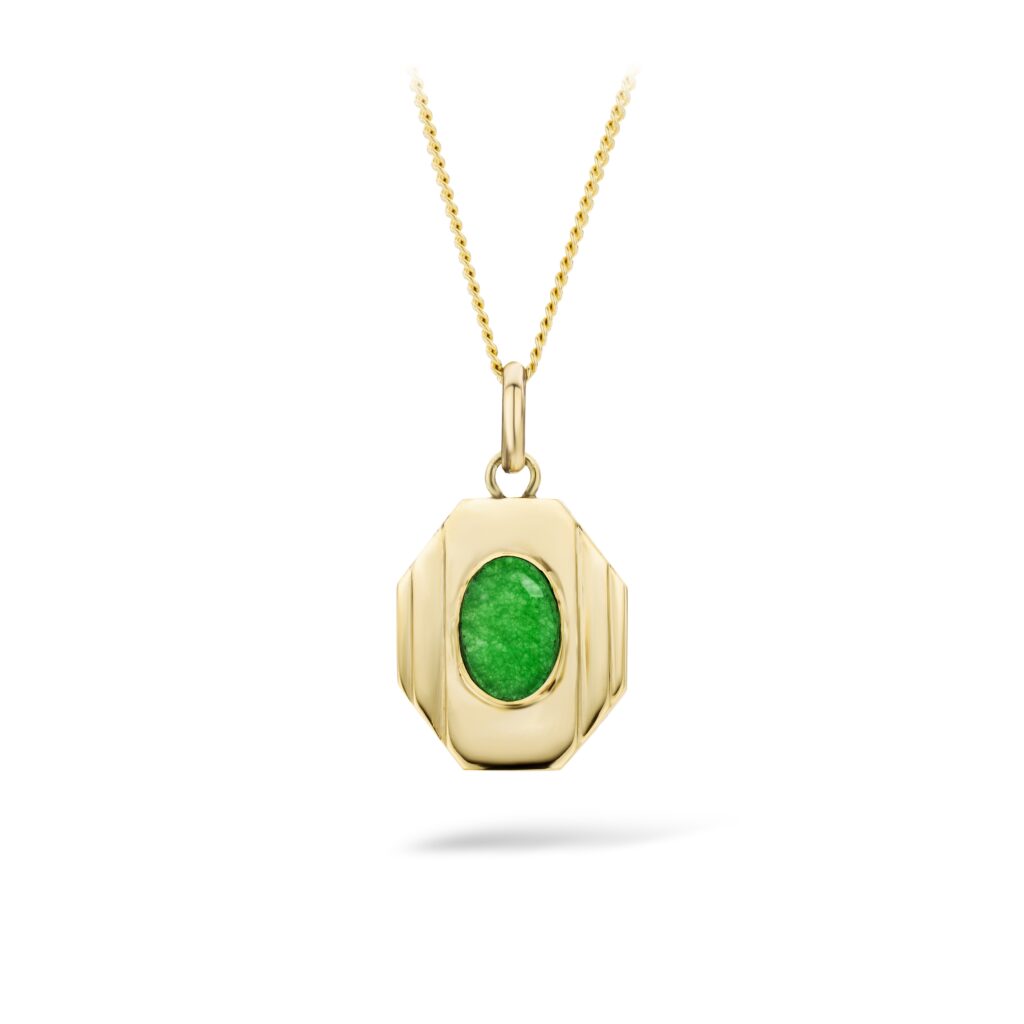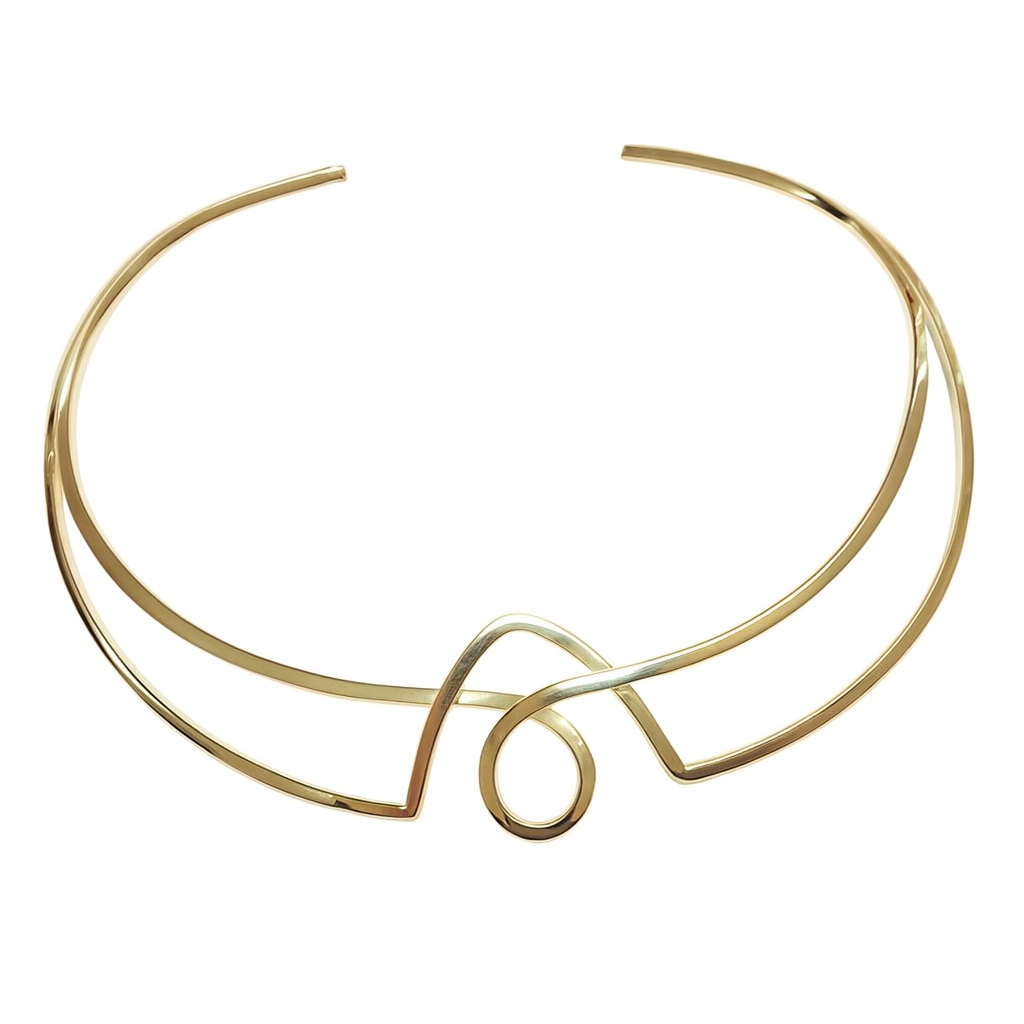

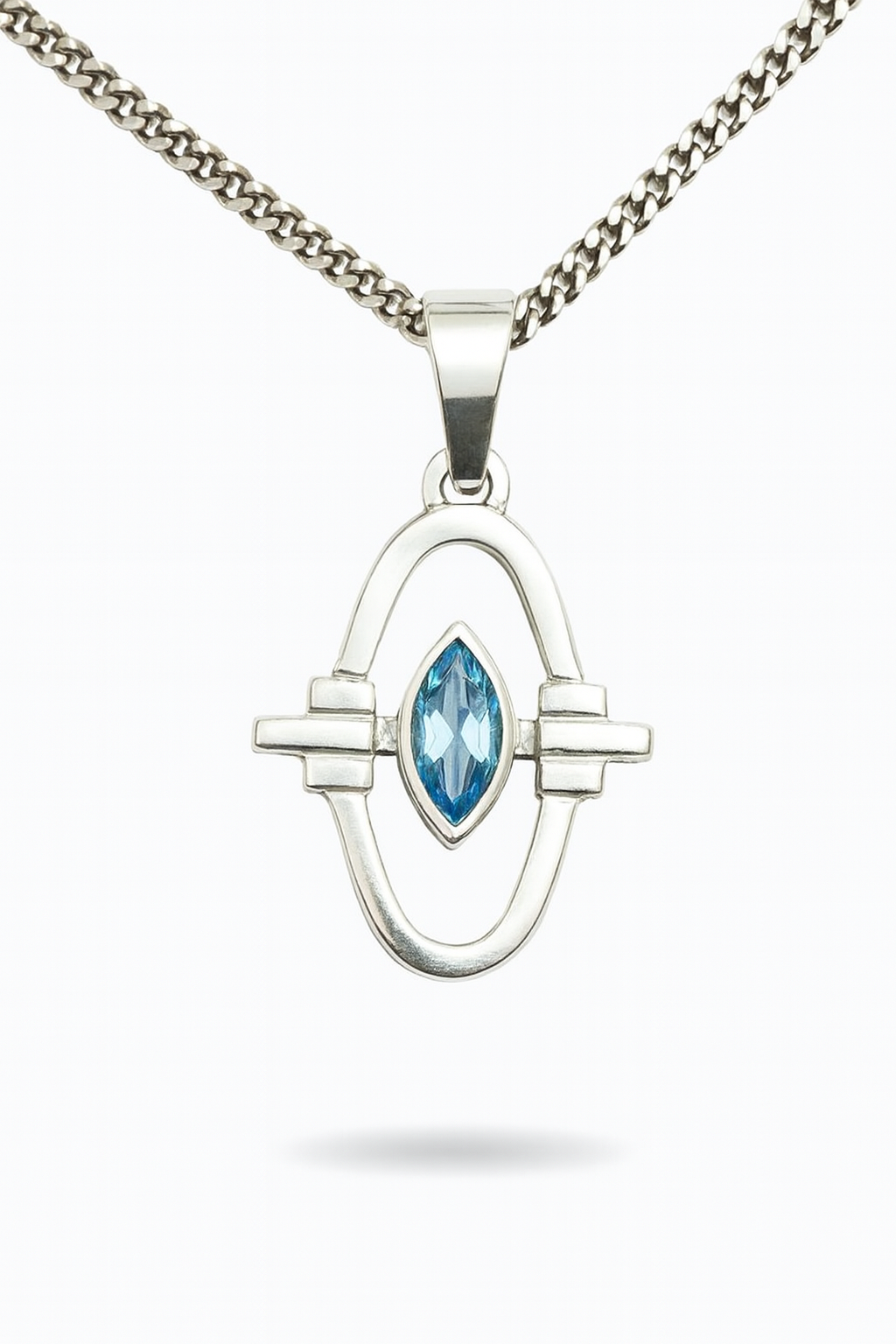
The story behind the Amsterdam collection
Some designs don’t originate at the workbench, but elsewhere. On the street, in a city, in a detail that suddenly makes you see things differently. For me, the Amsterdam collection draws its inspiration from the architecture of the Amsterdam School.
What fascinates me about it is not only the building itself, but also everything surrounding it: the interior spaces, the applied art, the rhythm of lines and forms. It is a movement in which architecture and craftsmanship converge, where every detail is part of a larger whole.
I'm not sure exactly when that fascination began, but I can still vividly recall one particular moment.
A front door on Overtoom
I was standing in front of a double-door entrance on Overtoom in Amsterdam. A building from 1923, designed by Piet Marnette. What struck me was the combination of strength and refinement. The symmetry, the repetition of forms, but also the subtlety in the details. It wasn’t a grand gesture, but rather that door—that single fragment of a building where everything came together. In that moment, I realized that this is exactly what I look for in jewelry: balance, rhythm, and refinement. That’s where the idea arose to translate architecture into a wearable object.
From architecture to jewelry
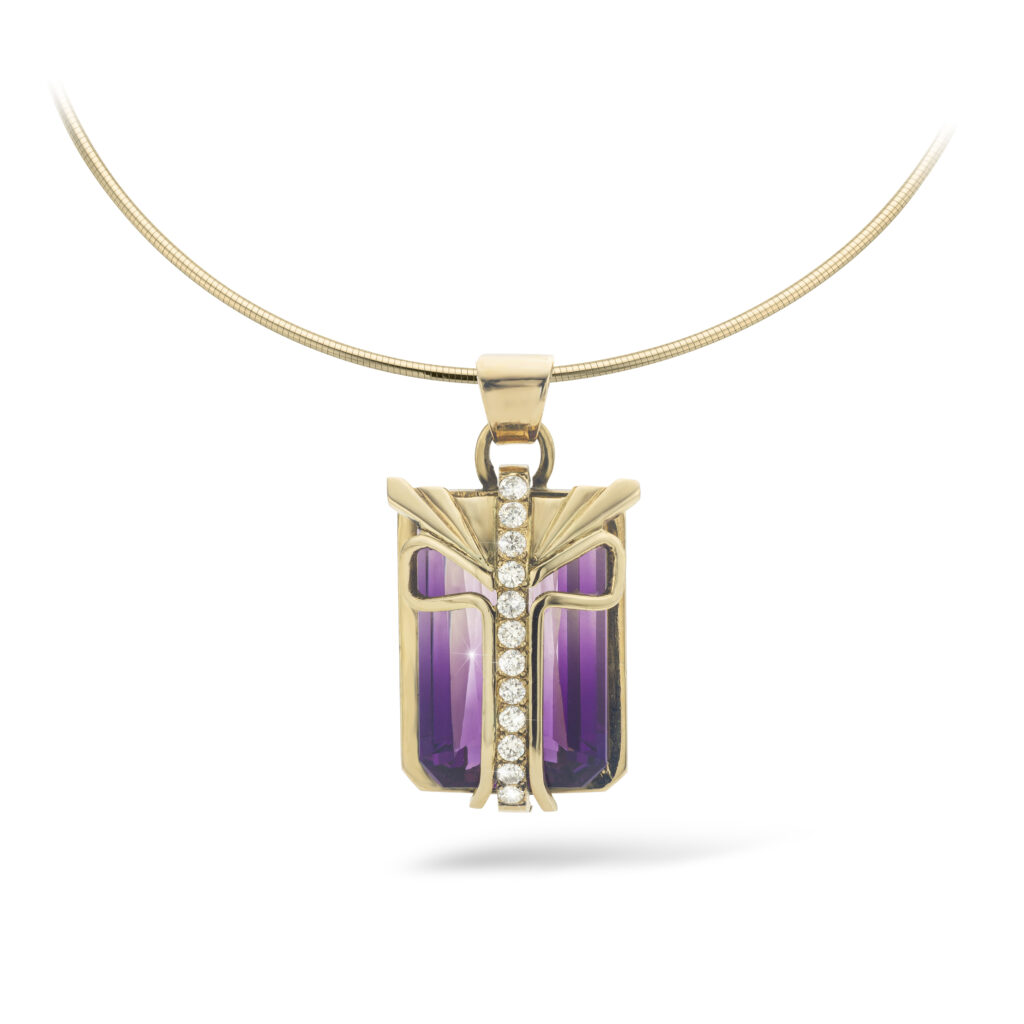
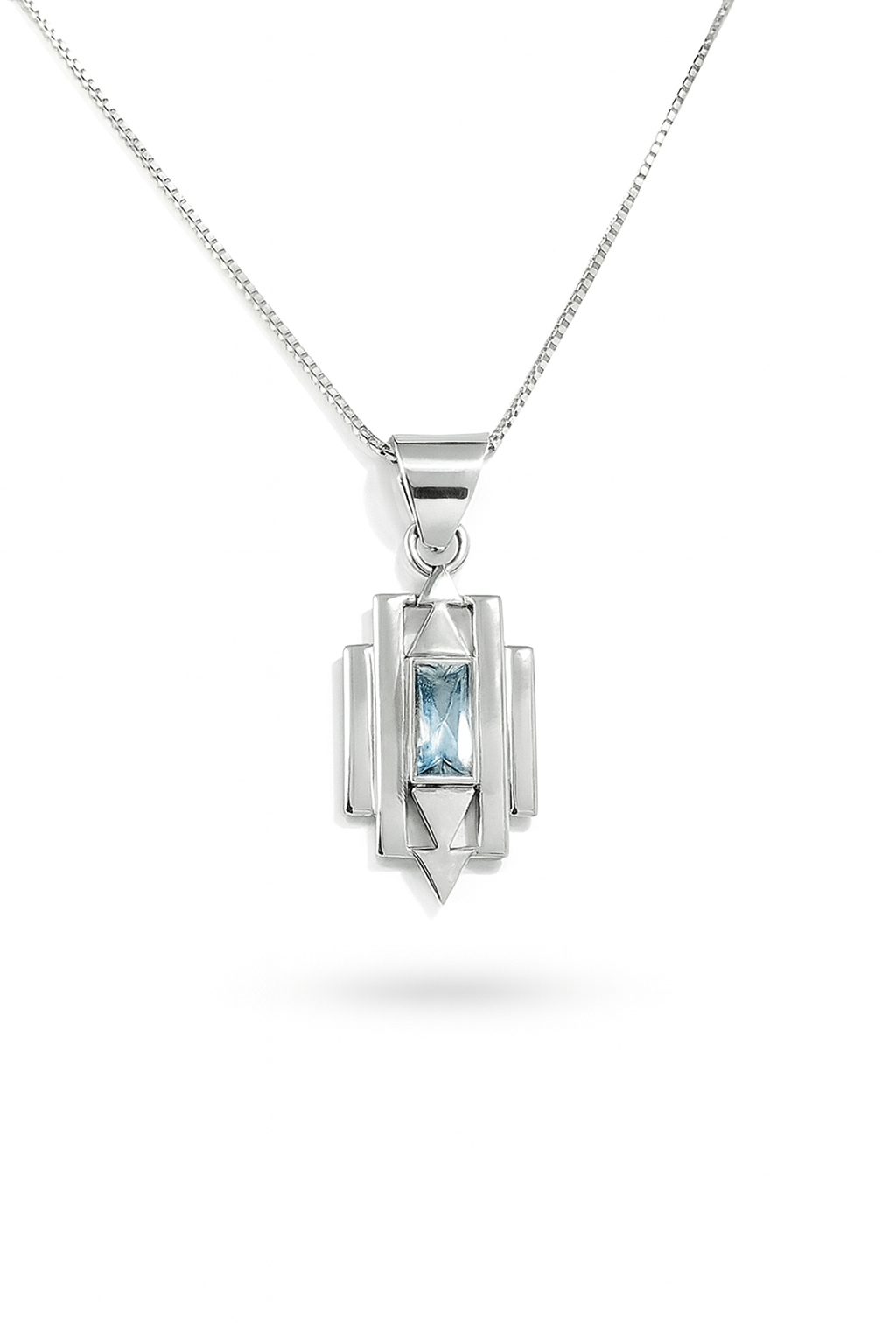
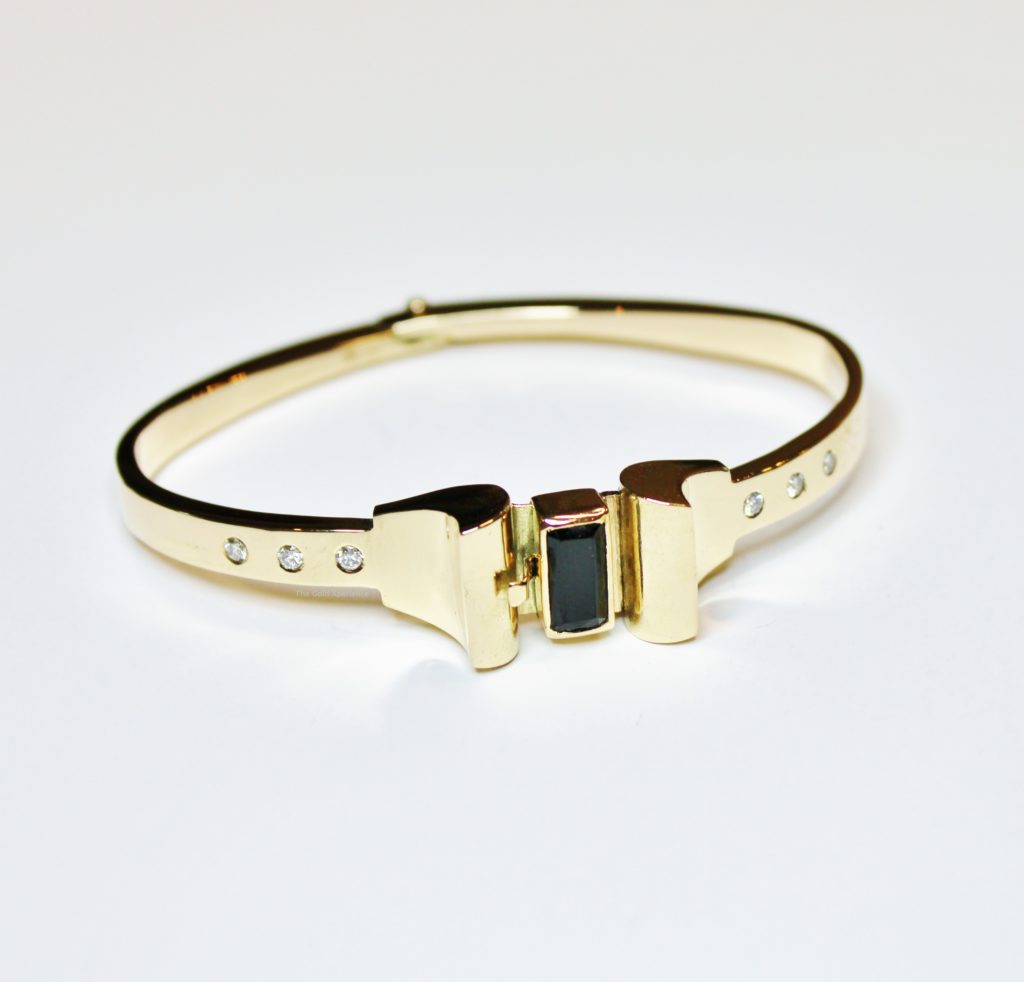
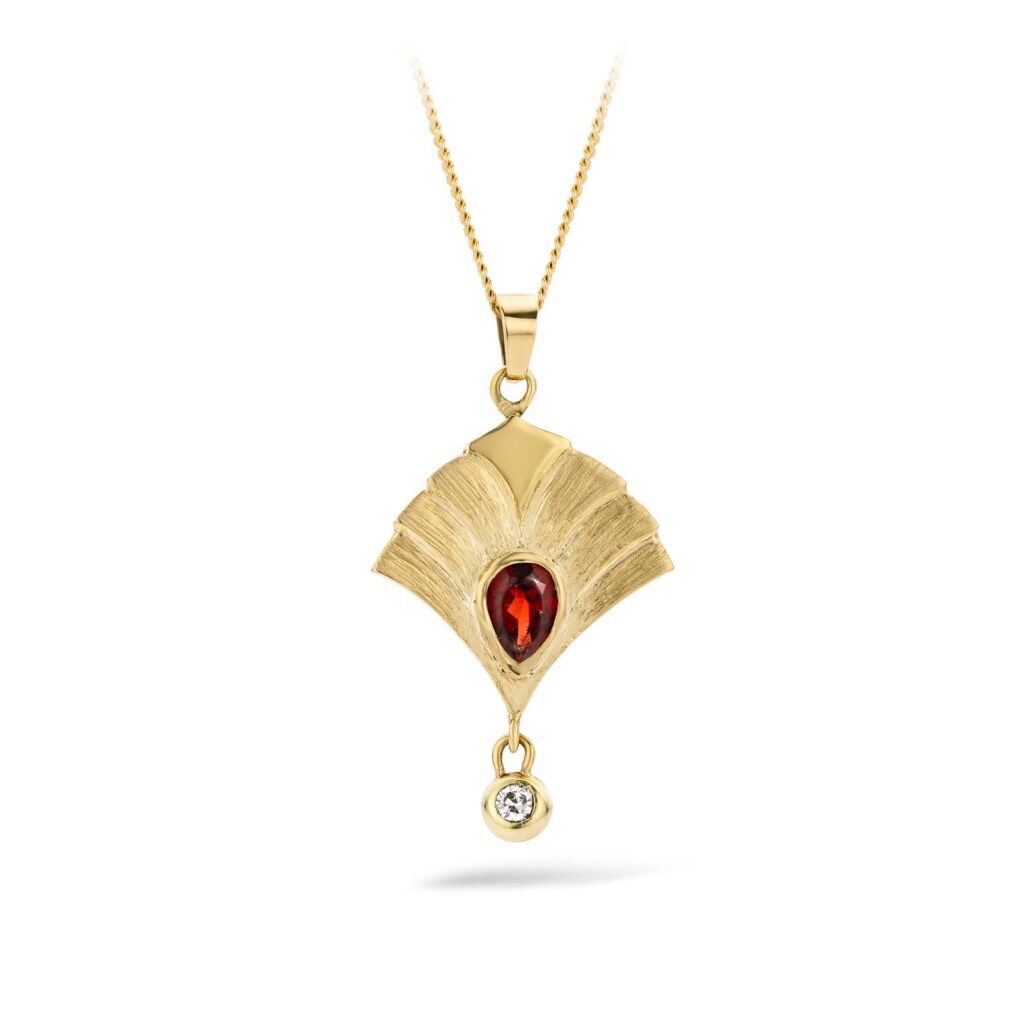
The Amsterdam collection takes architectural elements as its starting point. Think of symmetry, repetition, and the interplay between convex and concave forms. These elements are characteristic of the Amsterdam School, but also share affinities with Art Deco.
What appeals to me about this combination is the balance between strength and elegance. The shapes are geometric and clean-cut, yet never harsh. There is always a sense of movement to them, a certain fluid softness that makes them wearable.
In my designs, I translate these principles into jewelry made of gold and platinum, and sometimes silver as well. Not by copying them literally, but by capturing the essence of the form.
Rhythm, interplay of lines, and detail
An important aspect of the Amsterdam collection is the rhythm in its design. Just as in the architecture of the Amsterdam School, where lines repeat and reinforce one another, the jewelry creates a interplay of structure and balance. The transitions between shapes are carefully chosen. Concave and convex forms alternate, lines are interrupted and then resumed. This gives each piece of jewelry a dynamic quality that isn’t fully apparent at first glance but unfolds gradually. That is precisely what makes it interesting to wear.
Art Deco as a related style
Although the foundation lies in the Amsterdam School, there is often a subtle nod to Art Deco, a style that flourished during the same period. This is evident in the clarity of the lines, the symmetry, and the way forms are constructed. This combination creates a tension between the expressive and the refined. It makes the collection recognizable, yet not straightforward. There is always a sense of depth to it.
A portable piece of architecture
The Amsterdam collection consists of jewelry in gold, silver, and platinum, each piece crafted by hand. Every design is created with a focus on proportion, detail, and comfort. What makes this collection special is that these are not merely individual pieces of jewelry, but expressions of a fascination—from buildings to forms, and from forms to jewelry.
The result is a collection that makes architecture wearable. Not as a literal reference, but as a feeling. As rhythm, as line, as balance.